Article
Article
Article
What ESG Specialists Do — And How to Know If Your Company Needs One
June 18, 2024


ESG specialists turn sustainability priorities into practical actions — but not every company needs one to get started.
ESG (Environmental, Social, Governance) is no longer just a topic for large corporations. More investors, customers, and partners now expect businesses of all sizes to operate responsibly and transparently. But for many SMEs, the question is no longer “Is ESG important?” — it’s “Where do we even start, and do we need a specialist to do it?”
To help clarify this, we break down what ESG specialists actually do, why companies hire them, and how to decide whether your business needs one today.
What Exactly Is an ESG Specialist?
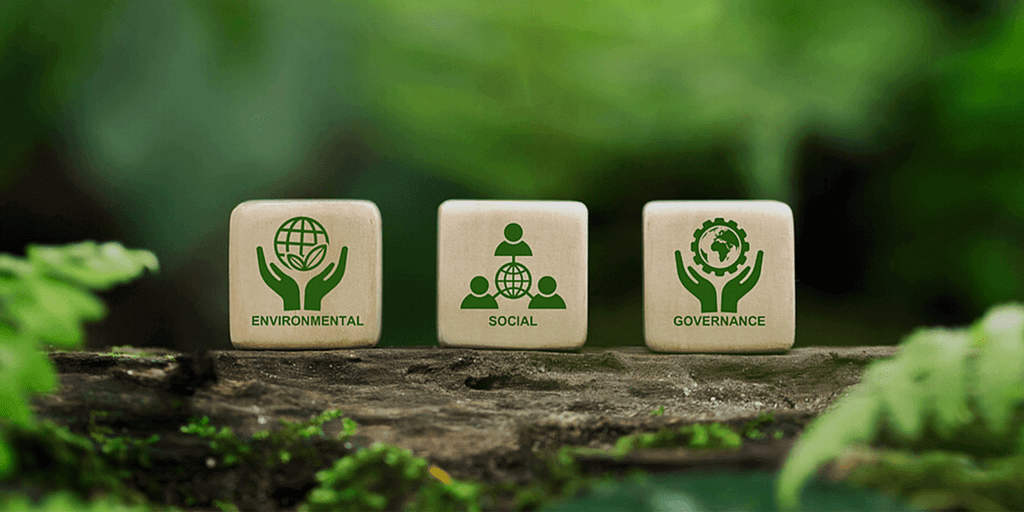
An ESG specialist is a professional who helps companies understand, plan, and implement sustainability practices across three areas:
Environmental
Managing carbon reduction, resource use, energy efficiency, waste, emissions, etc.
Social
Improving employee well-being, diversity, labor standards, community impact, and human rights practices.
Governance
Strengthening transparency, ethics, internal controls, board oversight, and risk management.
In simple terms:
They help companies turn ESG expectations into a clear plan with measurable actions.
They are part strategist, part coordinator, and part educator — bridging regulatory expectations, operational realities, and long-term business goals.
What ESG Specialists Actually Do
Different companies require different levels of support, but most ESG specialists handle tasks such as:
identifying ESG topics relevant to the business
assessing the company’s current ESG baseline
setting realistic short- and long-term goals
developing action plans and internal processes
coordinating teams across departments
strengthening governance structures
translating complex ESG expectations into clear, workable steps
For many companies, this clarity is the greatest value an ESG specialist brings.
Why Companies Hire ESG Specialists?
Organizations bring in ESG specialists for many reasons, including:
rising investor or customer expectations
global supply chain requirements
tighter regulatory landscapes
growing sustainability risks
brand differentiation
the need for a structured ESG roadmap
For larger companies, specialists help manage scale and complexity.
For SMEs, specialists help bring expertise and direction — especially when internal knowledge is limited.
Does My Company Need an ESG Specialist?
Here is a simple checklist.
If you answer “yes” to several of these, professional support may be helpful:
□ We’re receiving ESG-related requests from investors or customers.
□ Our operations carry environmental, social, or governance risks.
□ We want to strengthen our sustainability strategy.
□ ESG responsibilities are spread across departments with no clear coordination.
□ We want to build credibility through structured sustainability initiatives.
If most answers are “no,” it may simply mean your company is still at the early exploration stage — which is completely normal.
When Hiring an ESG Specialist Helps — And What to Do If You’re Not Ready Yet
ESG specialists can bring significant value, especially when a company is expanding, facing new stakeholder expectations, or dealing with complex sustainability issues. Their expertise helps shape long-term strategy, coordinate teams, and ensure efforts align with emerging standards.
But many SMEs recognize ESG’s importance while lacking the time, budget, or internal capacity to hire a full-time specialist right away.
That doesn’t mean they should wait.
For organizations still exploring what ESG means for their business, a simple, flexible, and affordable starting point can be just as effective. What matters most at the beginning is gaining clarity:
What ESG topics matter to us?
What are our most immediate opportunities or risks?
What small steps can we realistically take now?
How do we align internal stakeholders?
With the right tools, SMEs can start building early momentum — and when they eventually bring in a specialist, they’ll already have a clearer foundation, better-organized information, and stronger internal alignment.
ESG specialists and guided tools don’t replace each other — they complement each other.
Tools help companies start; specialists help them deepen and scale.
Conclusion
ESG specialists play an increasingly strategic role in helping businesses understand sustainability priorities, coordinate teams, and create credible long-term plans. But depending on the size and stage of the company, hiring one may not be the first step.
For many SMEs, the most important thing is gaining clarity and structure — understanding what matters, what’s realistic, and how to start building momentum. With the right foundation, companies can begin ESG meaningfully and bring in specialists as their needs evolve.
Start ESG With Clarity, Even Without a Full-Time Specialist
Many SMEs want to work on ESG but don’t know where to begin — and hiring a full-time specialist may not be realistic yet. SmooothESG provides a simple, structured way to understand your priorities, turn them into actionable steps, and track progress over time. No complicated reporting. No overwhelming frameworks. Just clarity and direction. If you want to explore a practical way to start ESG, you can learn more about SmooothESG or join our beta program for early access.
ESG (Environmental, Social, Governance) is no longer just a topic for large corporations. More investors, customers, and partners now expect businesses of all sizes to operate responsibly and transparently. But for many SMEs, the question is no longer “Is ESG important?” — it’s “Where do we even start, and do we need a specialist to do it?”
To help clarify this, we break down what ESG specialists actually do, why companies hire them, and how to decide whether your business needs one today.
What Exactly Is an ESG Specialist?
An ESG specialist is a professional who helps companies understand, plan, and implement sustainability practices across three areas:
Environmental
Managing carbon reduction, resource use, energy efficiency, waste, emissions, etc.
Social
Improving employee well-being, diversity, labor standards, community impact, and human rights practices.
Governance
Strengthening transparency, ethics, internal controls, board oversight, and risk management.
In simple terms:
They help companies turn ESG expectations into a clear plan with measurable actions.
They are part strategist, part coordinator, and part educator — bridging regulatory expectations, operational realities, and long-term business goals.
What ESG Specialists Actually Do
Different companies require different levels of support, but most ESG specialists handle tasks such as:
identifying ESG topics relevant to the business
assessing the company’s current ESG baseline
setting realistic short- and long-term goals
developing action plans and internal processes
coordinating teams across departments
strengthening governance structures
translating complex ESG expectations into clear, workable steps
For many companies, this clarity is the greatest value an ESG specialist brings.
Why Companies Hire ESG Specialists?
Organizations bring in ESG specialists for many reasons, including:
rising investor or customer expectations
global supply chain requirements
tighter regulatory landscapes
growing sustainability risks
brand differentiation
the need for a structured ESG roadmap
For larger companies, specialists help manage scale and complexity.
For SMEs, specialists help bring expertise and direction — especially when internal knowledge is limited.
Does My Company Need an ESG Specialist?
Here is a simple checklist.
If you answer “yes” to several of these, professional support may be helpful:
□ We’re receiving ESG-related requests from investors or customers.
□ Our operations carry environmental, social, or governance risks.
□ We want to strengthen our sustainability strategy.
□ ESG responsibilities are spread across departments with no clear coordination.
□ We want to build credibility through structured sustainability initiatives.
If most answers are “no,” it may simply mean your company is still at the early exploration stage — which is completely normal.
When Hiring an ESG Specialist Helps — And What to Do If You’re Not Ready Yet
ESG specialists can bring significant value, especially when a company is expanding, facing new stakeholder expectations, or dealing with complex sustainability issues. Their expertise helps shape long-term strategy, coordinate teams, and ensure efforts align with emerging standards.
But many SMEs recognize ESG’s importance while lacking the time, budget, or internal capacity to hire a full-time specialist right away.
That doesn’t mean they should wait.
For organizations still exploring what ESG means for their business, a simple, flexible, and affordable starting point can be just as effective. What matters most at the beginning is gaining clarity:
What ESG topics matter to us?
What are our most immediate opportunities or risks?
What small steps can we realistically take now?
How do we align internal stakeholders?
With the right tools, SMEs can start building early momentum — and when they eventually bring in a specialist, they’ll already have a clearer foundation, better-organized information, and stronger internal alignment.
ESG specialists and guided tools don’t replace each other — they complement each other.
Tools help companies start; specialists help them deepen and scale.
Conclusion
ESG specialists play an increasingly strategic role in helping businesses understand sustainability priorities, coordinate teams, and create credible long-term plans. But depending on the size and stage of the company, hiring one may not be the first step.
For many SMEs, the most important thing is gaining clarity and structure — understanding what matters, what’s realistic, and how to start building momentum. With the right foundation, companies can begin ESG meaningfully and bring in specialists as their needs evolve.
Start ESG With Clarity, Even Without a Full-Time Specialist
Many SMEs want to work on ESG but don’t know where to begin — and hiring a full-time specialist may not be realistic yet. SmooothESG provides a simple, structured way to understand your priorities, turn them into actionable steps, and track progress over time. No complicated reporting. No overwhelming frameworks. Just clarity and direction. If you want to explore a practical way to start ESG, you can learn more about SmooothESG or join our beta program for early access.
ESG (Environmental, Social, Governance) is no longer just a topic for large corporations. More investors, customers, and partners now expect businesses of all sizes to operate responsibly and transparently. But for many SMEs, the question is no longer “Is ESG important?” — it’s “Where do we even start, and do we need a specialist to do it?”
To help clarify this, we break down what ESG specialists actually do, why companies hire them, and how to decide whether your business needs one today.
What Exactly Is an ESG Specialist?
An ESG specialist is a professional who helps companies understand, plan, and implement sustainability practices across three areas:
Environmental
Managing carbon reduction, resource use, energy efficiency, waste, emissions, etc.
Social
Improving employee well-being, diversity, labor standards, community impact, and human rights practices.
Governance
Strengthening transparency, ethics, internal controls, board oversight, and risk management.
In simple terms:
They help companies turn ESG expectations into a clear plan with measurable actions.
They are part strategist, part coordinator, and part educator — bridging regulatory expectations, operational realities, and long-term business goals.
What ESG Specialists Actually Do
Different companies require different levels of support, but most ESG specialists handle tasks such as:
identifying ESG topics relevant to the business
assessing the company’s current ESG baseline
setting realistic short- and long-term goals
developing action plans and internal processes
coordinating teams across departments
strengthening governance structures
translating complex ESG expectations into clear, workable steps
For many companies, this clarity is the greatest value an ESG specialist brings.
Why Companies Hire ESG Specialists?
Organizations bring in ESG specialists for many reasons, including:
rising investor or customer expectations
global supply chain requirements
tighter regulatory landscapes
growing sustainability risks
brand differentiation
the need for a structured ESG roadmap
For larger companies, specialists help manage scale and complexity.
For SMEs, specialists help bring expertise and direction — especially when internal knowledge is limited.
Does My Company Need an ESG Specialist?
Here is a simple checklist.
If you answer “yes” to several of these, professional support may be helpful:
□ We’re receiving ESG-related requests from investors or customers.
□ Our operations carry environmental, social, or governance risks.
□ We want to strengthen our sustainability strategy.
□ ESG responsibilities are spread across departments with no clear coordination.
□ We want to build credibility through structured sustainability initiatives.
If most answers are “no,” it may simply mean your company is still at the early exploration stage — which is completely normal.
When Hiring an ESG Specialist Helps — And What to Do If You’re Not Ready Yet
ESG specialists can bring significant value, especially when a company is expanding, facing new stakeholder expectations, or dealing with complex sustainability issues. Their expertise helps shape long-term strategy, coordinate teams, and ensure efforts align with emerging standards.
But many SMEs recognize ESG’s importance while lacking the time, budget, or internal capacity to hire a full-time specialist right away.
That doesn’t mean they should wait.
For organizations still exploring what ESG means for their business, a simple, flexible, and affordable starting point can be just as effective. What matters most at the beginning is gaining clarity:
What ESG topics matter to us?
What are our most immediate opportunities or risks?
What small steps can we realistically take now?
How do we align internal stakeholders?
With the right tools, SMEs can start building early momentum — and when they eventually bring in a specialist, they’ll already have a clearer foundation, better-organized information, and stronger internal alignment.
ESG specialists and guided tools don’t replace each other — they complement each other.
Tools help companies start; specialists help them deepen and scale.
Conclusion
ESG specialists play an increasingly strategic role in helping businesses understand sustainability priorities, coordinate teams, and create credible long-term plans. But depending on the size and stage of the company, hiring one may not be the first step.
For many SMEs, the most important thing is gaining clarity and structure — understanding what matters, what’s realistic, and how to start building momentum. With the right foundation, companies can begin ESG meaningfully and bring in specialists as their needs evolve.
Start ESG With Clarity, Even Without a Full-Time Specialist
Many SMEs want to work on ESG but don’t know where to begin — and hiring a full-time specialist may not be realistic yet. SmooothESG provides a simple, structured way to understand your priorities, turn them into actionable steps, and track progress over time. No complicated reporting. No overwhelming frameworks. Just clarity and direction. If you want to explore a practical way to start ESG, you can learn more about SmooothESG or join our beta program for early access.
ESG (Environmental, Social, Governance) is no longer just a topic for large corporations. More investors, customers, and partners now expect businesses of all sizes to operate responsibly and transparently. But for many SMEs, the question is no longer “Is ESG important?” — it’s “Where do we even start, and do we need a specialist to do it?”
To help clarify this, we break down what ESG specialists actually do, why companies hire them, and how to decide whether your business needs one today.
What Exactly Is an ESG Specialist?
An ESG specialist is a professional who helps companies understand, plan, and implement sustainability practices across three areas:
Environmental
Managing carbon reduction, resource use, energy efficiency, waste, emissions, etc.
Social
Improving employee well-being, diversity, labor standards, community impact, and human rights practices.
Governance
Strengthening transparency, ethics, internal controls, board oversight, and risk management.
In simple terms:
They help companies turn ESG expectations into a clear plan with measurable actions.
They are part strategist, part coordinator, and part educator — bridging regulatory expectations, operational realities, and long-term business goals.
What ESG Specialists Actually Do
Different companies require different levels of support, but most ESG specialists handle tasks such as:
identifying ESG topics relevant to the business
assessing the company’s current ESG baseline
setting realistic short- and long-term goals
developing action plans and internal processes
coordinating teams across departments
strengthening governance structures
translating complex ESG expectations into clear, workable steps
For many companies, this clarity is the greatest value an ESG specialist brings.
Why Companies Hire ESG Specialists?
Organizations bring in ESG specialists for many reasons, including:
rising investor or customer expectations
global supply chain requirements
tighter regulatory landscapes
growing sustainability risks
brand differentiation
the need for a structured ESG roadmap
For larger companies, specialists help manage scale and complexity.
For SMEs, specialists help bring expertise and direction — especially when internal knowledge is limited.
Does My Company Need an ESG Specialist?
Here is a simple checklist.
If you answer “yes” to several of these, professional support may be helpful:
□ We’re receiving ESG-related requests from investors or customers.
□ Our operations carry environmental, social, or governance risks.
□ We want to strengthen our sustainability strategy.
□ ESG responsibilities are spread across departments with no clear coordination.
□ We want to build credibility through structured sustainability initiatives.
If most answers are “no,” it may simply mean your company is still at the early exploration stage — which is completely normal.
When Hiring an ESG Specialist Helps — And What to Do If You’re Not Ready Yet
ESG specialists can bring significant value, especially when a company is expanding, facing new stakeholder expectations, or dealing with complex sustainability issues. Their expertise helps shape long-term strategy, coordinate teams, and ensure efforts align with emerging standards.
But many SMEs recognize ESG’s importance while lacking the time, budget, or internal capacity to hire a full-time specialist right away.
That doesn’t mean they should wait.
For organizations still exploring what ESG means for their business, a simple, flexible, and affordable starting point can be just as effective. What matters most at the beginning is gaining clarity:
What ESG topics matter to us?
What are our most immediate opportunities or risks?
What small steps can we realistically take now?
How do we align internal stakeholders?
With the right tools, SMEs can start building early momentum — and when they eventually bring in a specialist, they’ll already have a clearer foundation, better-organized information, and stronger internal alignment.
ESG specialists and guided tools don’t replace each other — they complement each other.
Tools help companies start; specialists help them deepen and scale.
Conclusion
ESG specialists play an increasingly strategic role in helping businesses understand sustainability priorities, coordinate teams, and create credible long-term plans. But depending on the size and stage of the company, hiring one may not be the first step.
For many SMEs, the most important thing is gaining clarity and structure — understanding what matters, what’s realistic, and how to start building momentum. With the right foundation, companies can begin ESG meaningfully and bring in specialists as their needs evolve.
Start ESG With Clarity, Even Without a Full-Time Specialist
Many SMEs want to work on ESG but don’t know where to begin — and hiring a full-time specialist may not be realistic yet. SmooothESG provides a simple, structured way to understand your priorities, turn them into actionable steps, and track progress over time. No complicated reporting. No overwhelming frameworks. Just clarity and direction. If you want to explore a practical way to start ESG, you can learn more about SmooothESG or join our beta program for early access.