Article
Article
Article
The Biggest Compliance Pressures Facing Financial Institutions Today — And How to Stay Ahead
August 28, 2024
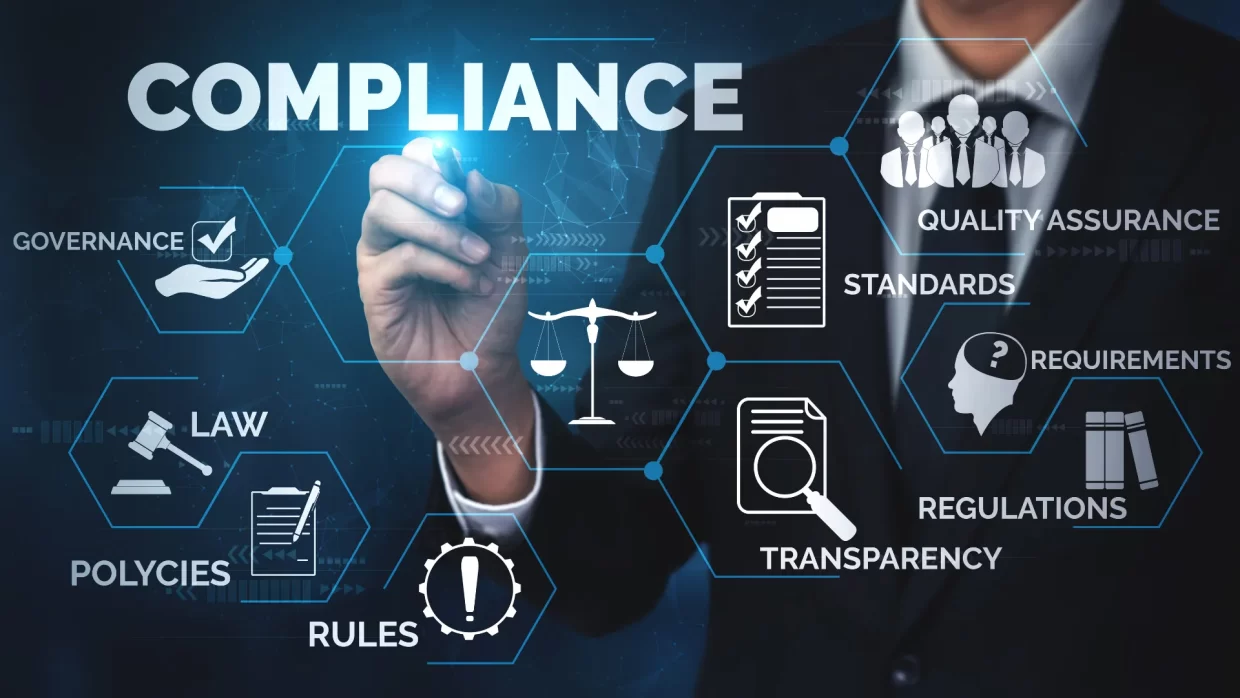

As regulations, technology, and customer expectations shift, compliance isn’t a checklist — it’s a continuous discipline that shapes long-term trust.
Financial institutions operate in one of the most tightly regulated environments in the world. Expectations from regulators, customers, and internal stakeholders continue to rise, while digital transformation and cross-border operations make compliance more complex. Today, institutions aren’t just managing rules — they’re adapting to a landscape that changes faster than traditional processes can keep up.
Below are the 10 most significant compliance pressures facing financial institutions today, along with practical considerations for staying ahead.
1. Keeping Up With Rapid Regulatory Change
Regulations across financial stability, consumer protection, data privacy, and financial crime evolve constantly — and often across multiple jurisdictions. Compliance teams must not only track changes but also interpret intent, design internal policies, and implement new controls at speed.
What helps:
A centralized regulatory intelligence function
Clear accountability for interpreting and implementing new rules
Documentation that keeps pace with policy changes
2. Managing Compliance in a Hybrid Work Reality
Hybrid work brings flexibility but also introduces gaps in oversight, documentation, and access control. Without consistent processes, teams risk inconsistent record-keeping and unclear audit trails.
What helps:
Remote-friendly governance policies
Secure, role-based access systems
Structured digital workflows that document every step
3. Responding to Escalating Cybersecurity Threats
Financial institutions remain prime targets for phishing, credential theft, ransomware, and system disruption. The impact goes beyond data exposure — breaches trigger investigations, mandatory reporting, and potential regulatory action.
What helps:
Multi-layer defence architecture
Continuous monitoring and threat analytics
Regular staff training on cyber awareness
4. Strengthening Anti-Money Laundering (AML) Controls
Regulators expect firms to demonstrate not only compliance, but also effectiveness. Risk-based approaches, enhanced due diligence, and ongoing monitoring are all under sharper scrutiny.
What helps:
Clear risk segmentation
Automated monitoring and screening systems
Traceable decision-making for escalations
5. Managing the Rising Cost of Compliance
As obligations increase, so do staffing, technology, and audit costs. Many institutions struggle with fragmented systems, duplicated data, and complex manual processes that further inflate expenses.
What helps:
Process simplification
Automation for repetitive checks
Integrated systems that eliminate rework
6. Meeting Higher Accountability Expectations
Frameworks like the SMCR and its equivalents globally place direct responsibility on senior management. Every action must be documented, reviewed, and justifiable.
What helps:
Clear ownership of compliance controls
Full audit trails for approvals and exceptions
Regular governance reviews
7. Balancing Digital Transformation With Compliance Assurance
AI, cloud systems, and digital customer experiences introduce efficiency — but also regulatory uncertainty. Institutions must adopt new technologies while demonstrating they remain compliant and secure.
What helps:
Early compliance involvement in digital initiatives
Data governance and validation processes
Impact assessments on new technologies
8. Navigating ESG Requirements and Stakeholder Scrutiny
ESG is now a key area of regulatory focus. Institutions are expected to measure, validate, and disclose environmental and social impact data with accuracy.
What helps:
ESG reporting frameworks aligned with local and global standards
Regular assessment of environmental and social risks
Transparent and consistent disclosure practices
9. Combatting Increasingly Sophisticated Fraud
Fraudsters leverage automation, identity spoofing, and cross-border networks. Traditional rule-based controls are no longer sufficient.
What helps:
Intelligent fraud analytics
Real-time monitoring
Strong customer verification processes
10. Maintaining a Consistent Compliance Culture
With dispersed teams and continuous regulatory updates, compliance can easily become fragmented. Culture — not just rules — determines resilience.
What helps:
Regular and practical compliance training
Clear internal communication on expectations
Reinforcement from leadership at all levels
Conclusion
Compliance today is a continuous, organization-wide discipline. Financial institutions that strengthen governance, invest in the right technology, and build transparent, traceable workflows will be better equipped to manage risk — and maintain trust — in an increasingly demanding regulatory environment.
How Smoooth Helps Institutions Strengthen Compliance
Managing compliance across hybrid teams, evolving regulations, and rising cyber and AML expectations is increasingly challenging — especially when information lives in emails, spreadsheets, and disconnected systems. Smoooth provides a structured, centralized platform for entity records, approvals, filings, and audit trails, helping financial institutions stay aligned and compliant with less effort. From guided workflows to secure collaboration and automated documentation, Smoooth supports the governance foundations that institutions need to operate confidently. If you’re exploring ways to strengthen compliance operations or reduce manual friction, learn more about Smoooth or create a free account to experience the platform in action.
Financial institutions operate in one of the most tightly regulated environments in the world. Expectations from regulators, customers, and internal stakeholders continue to rise, while digital transformation and cross-border operations make compliance more complex. Today, institutions aren’t just managing rules — they’re adapting to a landscape that changes faster than traditional processes can keep up.
Below are the 10 most significant compliance pressures facing financial institutions today, along with practical considerations for staying ahead.
1. Keeping Up With Rapid Regulatory Change
Regulations across financial stability, consumer protection, data privacy, and financial crime evolve constantly — and often across multiple jurisdictions. Compliance teams must not only track changes but also interpret intent, design internal policies, and implement new controls at speed.
What helps:
A centralized regulatory intelligence function
Clear accountability for interpreting and implementing new rules
Documentation that keeps pace with policy changes
2. Managing Compliance in a Hybrid Work Reality
Hybrid work brings flexibility but also introduces gaps in oversight, documentation, and access control. Without consistent processes, teams risk inconsistent record-keeping and unclear audit trails.
What helps:
Remote-friendly governance policies
Secure, role-based access systems
Structured digital workflows that document every step
3. Responding to Escalating Cybersecurity Threats
Financial institutions remain prime targets for phishing, credential theft, ransomware, and system disruption. The impact goes beyond data exposure — breaches trigger investigations, mandatory reporting, and potential regulatory action.
What helps:
Multi-layer defence architecture
Continuous monitoring and threat analytics
Regular staff training on cyber awareness
4. Strengthening Anti-Money Laundering (AML) Controls
Regulators expect firms to demonstrate not only compliance, but also effectiveness. Risk-based approaches, enhanced due diligence, and ongoing monitoring are all under sharper scrutiny.
What helps:
Clear risk segmentation
Automated monitoring and screening systems
Traceable decision-making for escalations
5. Managing the Rising Cost of Compliance
As obligations increase, so do staffing, technology, and audit costs. Many institutions struggle with fragmented systems, duplicated data, and complex manual processes that further inflate expenses.
What helps:
Process simplification
Automation for repetitive checks
Integrated systems that eliminate rework
6. Meeting Higher Accountability Expectations
Frameworks like the SMCR and its equivalents globally place direct responsibility on senior management. Every action must be documented, reviewed, and justifiable.
What helps:
Clear ownership of compliance controls
Full audit trails for approvals and exceptions
Regular governance reviews
7. Balancing Digital Transformation With Compliance Assurance
AI, cloud systems, and digital customer experiences introduce efficiency — but also regulatory uncertainty. Institutions must adopt new technologies while demonstrating they remain compliant and secure.
What helps:
Early compliance involvement in digital initiatives
Data governance and validation processes
Impact assessments on new technologies
8. Navigating ESG Requirements and Stakeholder Scrutiny
ESG is now a key area of regulatory focus. Institutions are expected to measure, validate, and disclose environmental and social impact data with accuracy.
What helps:
ESG reporting frameworks aligned with local and global standards
Regular assessment of environmental and social risks
Transparent and consistent disclosure practices
9. Combatting Increasingly Sophisticated Fraud
Fraudsters leverage automation, identity spoofing, and cross-border networks. Traditional rule-based controls are no longer sufficient.
What helps:
Intelligent fraud analytics
Real-time monitoring
Strong customer verification processes
10. Maintaining a Consistent Compliance Culture
With dispersed teams and continuous regulatory updates, compliance can easily become fragmented. Culture — not just rules — determines resilience.
What helps:
Regular and practical compliance training
Clear internal communication on expectations
Reinforcement from leadership at all levels
Conclusion
Compliance today is a continuous, organization-wide discipline. Financial institutions that strengthen governance, invest in the right technology, and build transparent, traceable workflows will be better equipped to manage risk — and maintain trust — in an increasingly demanding regulatory environment.
How Smoooth Helps Institutions Strengthen Compliance
Managing compliance across hybrid teams, evolving regulations, and rising cyber and AML expectations is increasingly challenging — especially when information lives in emails, spreadsheets, and disconnected systems. Smoooth provides a structured, centralized platform for entity records, approvals, filings, and audit trails, helping financial institutions stay aligned and compliant with less effort. From guided workflows to secure collaboration and automated documentation, Smoooth supports the governance foundations that institutions need to operate confidently. If you’re exploring ways to strengthen compliance operations or reduce manual friction, learn more about Smoooth or create a free account to experience the platform in action.
Financial institutions operate in one of the most tightly regulated environments in the world. Expectations from regulators, customers, and internal stakeholders continue to rise, while digital transformation and cross-border operations make compliance more complex. Today, institutions aren’t just managing rules — they’re adapting to a landscape that changes faster than traditional processes can keep up.
Below are the 10 most significant compliance pressures facing financial institutions today, along with practical considerations for staying ahead.
1. Keeping Up With Rapid Regulatory Change
Regulations across financial stability, consumer protection, data privacy, and financial crime evolve constantly — and often across multiple jurisdictions. Compliance teams must not only track changes but also interpret intent, design internal policies, and implement new controls at speed.
What helps:
A centralized regulatory intelligence function
Clear accountability for interpreting and implementing new rules
Documentation that keeps pace with policy changes
2. Managing Compliance in a Hybrid Work Reality
Hybrid work brings flexibility but also introduces gaps in oversight, documentation, and access control. Without consistent processes, teams risk inconsistent record-keeping and unclear audit trails.
What helps:
Remote-friendly governance policies
Secure, role-based access systems
Structured digital workflows that document every step
3. Responding to Escalating Cybersecurity Threats
Financial institutions remain prime targets for phishing, credential theft, ransomware, and system disruption. The impact goes beyond data exposure — breaches trigger investigations, mandatory reporting, and potential regulatory action.
What helps:
Multi-layer defence architecture
Continuous monitoring and threat analytics
Regular staff training on cyber awareness
4. Strengthening Anti-Money Laundering (AML) Controls
Regulators expect firms to demonstrate not only compliance, but also effectiveness. Risk-based approaches, enhanced due diligence, and ongoing monitoring are all under sharper scrutiny.
What helps:
Clear risk segmentation
Automated monitoring and screening systems
Traceable decision-making for escalations
5. Managing the Rising Cost of Compliance
As obligations increase, so do staffing, technology, and audit costs. Many institutions struggle with fragmented systems, duplicated data, and complex manual processes that further inflate expenses.
What helps:
Process simplification
Automation for repetitive checks
Integrated systems that eliminate rework
6. Meeting Higher Accountability Expectations
Frameworks like the SMCR and its equivalents globally place direct responsibility on senior management. Every action must be documented, reviewed, and justifiable.
What helps:
Clear ownership of compliance controls
Full audit trails for approvals and exceptions
Regular governance reviews
7. Balancing Digital Transformation With Compliance Assurance
AI, cloud systems, and digital customer experiences introduce efficiency — but also regulatory uncertainty. Institutions must adopt new technologies while demonstrating they remain compliant and secure.
What helps:
Early compliance involvement in digital initiatives
Data governance and validation processes
Impact assessments on new technologies
8. Navigating ESG Requirements and Stakeholder Scrutiny
ESG is now a key area of regulatory focus. Institutions are expected to measure, validate, and disclose environmental and social impact data with accuracy.
What helps:
ESG reporting frameworks aligned with local and global standards
Regular assessment of environmental and social risks
Transparent and consistent disclosure practices
9. Combatting Increasingly Sophisticated Fraud
Fraudsters leverage automation, identity spoofing, and cross-border networks. Traditional rule-based controls are no longer sufficient.
What helps:
Intelligent fraud analytics
Real-time monitoring
Strong customer verification processes
10. Maintaining a Consistent Compliance Culture
With dispersed teams and continuous regulatory updates, compliance can easily become fragmented. Culture — not just rules — determines resilience.
What helps:
Regular and practical compliance training
Clear internal communication on expectations
Reinforcement from leadership at all levels
Conclusion
Compliance today is a continuous, organization-wide discipline. Financial institutions that strengthen governance, invest in the right technology, and build transparent, traceable workflows will be better equipped to manage risk — and maintain trust — in an increasingly demanding regulatory environment.
How Smoooth Helps Institutions Strengthen Compliance
Managing compliance across hybrid teams, evolving regulations, and rising cyber and AML expectations is increasingly challenging — especially when information lives in emails, spreadsheets, and disconnected systems. Smoooth provides a structured, centralized platform for entity records, approvals, filings, and audit trails, helping financial institutions stay aligned and compliant with less effort. From guided workflows to secure collaboration and automated documentation, Smoooth supports the governance foundations that institutions need to operate confidently. If you’re exploring ways to strengthen compliance operations or reduce manual friction, learn more about Smoooth or create a free account to experience the platform in action.
Financial institutions operate in one of the most tightly regulated environments in the world. Expectations from regulators, customers, and internal stakeholders continue to rise, while digital transformation and cross-border operations make compliance more complex. Today, institutions aren’t just managing rules — they’re adapting to a landscape that changes faster than traditional processes can keep up.
Below are the 10 most significant compliance pressures facing financial institutions today, along with practical considerations for staying ahead.
1. Keeping Up With Rapid Regulatory Change
Regulations across financial stability, consumer protection, data privacy, and financial crime evolve constantly — and often across multiple jurisdictions. Compliance teams must not only track changes but also interpret intent, design internal policies, and implement new controls at speed.
What helps:
A centralized regulatory intelligence function
Clear accountability for interpreting and implementing new rules
Documentation that keeps pace with policy changes
2. Managing Compliance in a Hybrid Work Reality
Hybrid work brings flexibility but also introduces gaps in oversight, documentation, and access control. Without consistent processes, teams risk inconsistent record-keeping and unclear audit trails.
What helps:
Remote-friendly governance policies
Secure, role-based access systems
Structured digital workflows that document every step
3. Responding to Escalating Cybersecurity Threats
Financial institutions remain prime targets for phishing, credential theft, ransomware, and system disruption. The impact goes beyond data exposure — breaches trigger investigations, mandatory reporting, and potential regulatory action.
What helps:
Multi-layer defence architecture
Continuous monitoring and threat analytics
Regular staff training on cyber awareness
4. Strengthening Anti-Money Laundering (AML) Controls
Regulators expect firms to demonstrate not only compliance, but also effectiveness. Risk-based approaches, enhanced due diligence, and ongoing monitoring are all under sharper scrutiny.
What helps:
Clear risk segmentation
Automated monitoring and screening systems
Traceable decision-making for escalations
5. Managing the Rising Cost of Compliance
As obligations increase, so do staffing, technology, and audit costs. Many institutions struggle with fragmented systems, duplicated data, and complex manual processes that further inflate expenses.
What helps:
Process simplification
Automation for repetitive checks
Integrated systems that eliminate rework
6. Meeting Higher Accountability Expectations
Frameworks like the SMCR and its equivalents globally place direct responsibility on senior management. Every action must be documented, reviewed, and justifiable.
What helps:
Clear ownership of compliance controls
Full audit trails for approvals and exceptions
Regular governance reviews
7. Balancing Digital Transformation With Compliance Assurance
AI, cloud systems, and digital customer experiences introduce efficiency — but also regulatory uncertainty. Institutions must adopt new technologies while demonstrating they remain compliant and secure.
What helps:
Early compliance involvement in digital initiatives
Data governance and validation processes
Impact assessments on new technologies
8. Navigating ESG Requirements and Stakeholder Scrutiny
ESG is now a key area of regulatory focus. Institutions are expected to measure, validate, and disclose environmental and social impact data with accuracy.
What helps:
ESG reporting frameworks aligned with local and global standards
Regular assessment of environmental and social risks
Transparent and consistent disclosure practices
9. Combatting Increasingly Sophisticated Fraud
Fraudsters leverage automation, identity spoofing, and cross-border networks. Traditional rule-based controls are no longer sufficient.
What helps:
Intelligent fraud analytics
Real-time monitoring
Strong customer verification processes
10. Maintaining a Consistent Compliance Culture
With dispersed teams and continuous regulatory updates, compliance can easily become fragmented. Culture — not just rules — determines resilience.
What helps:
Regular and practical compliance training
Clear internal communication on expectations
Reinforcement from leadership at all levels
Conclusion
Compliance today is a continuous, organization-wide discipline. Financial institutions that strengthen governance, invest in the right technology, and build transparent, traceable workflows will be better equipped to manage risk — and maintain trust — in an increasingly demanding regulatory environment.
How Smoooth Helps Institutions Strengthen Compliance
Managing compliance across hybrid teams, evolving regulations, and rising cyber and AML expectations is increasingly challenging — especially when information lives in emails, spreadsheets, and disconnected systems. Smoooth provides a structured, centralized platform for entity records, approvals, filings, and audit trails, helping financial institutions stay aligned and compliant with less effort. From guided workflows to secure collaboration and automated documentation, Smoooth supports the governance foundations that institutions need to operate confidently. If you’re exploring ways to strengthen compliance operations or reduce manual friction, learn more about Smoooth or create a free account to experience the platform in action.