Product Story
Product Story
Product Story
Why Data Privacy Matters in Entity Management — And How SaaS Platforms Should Protect It
May 1, 2024
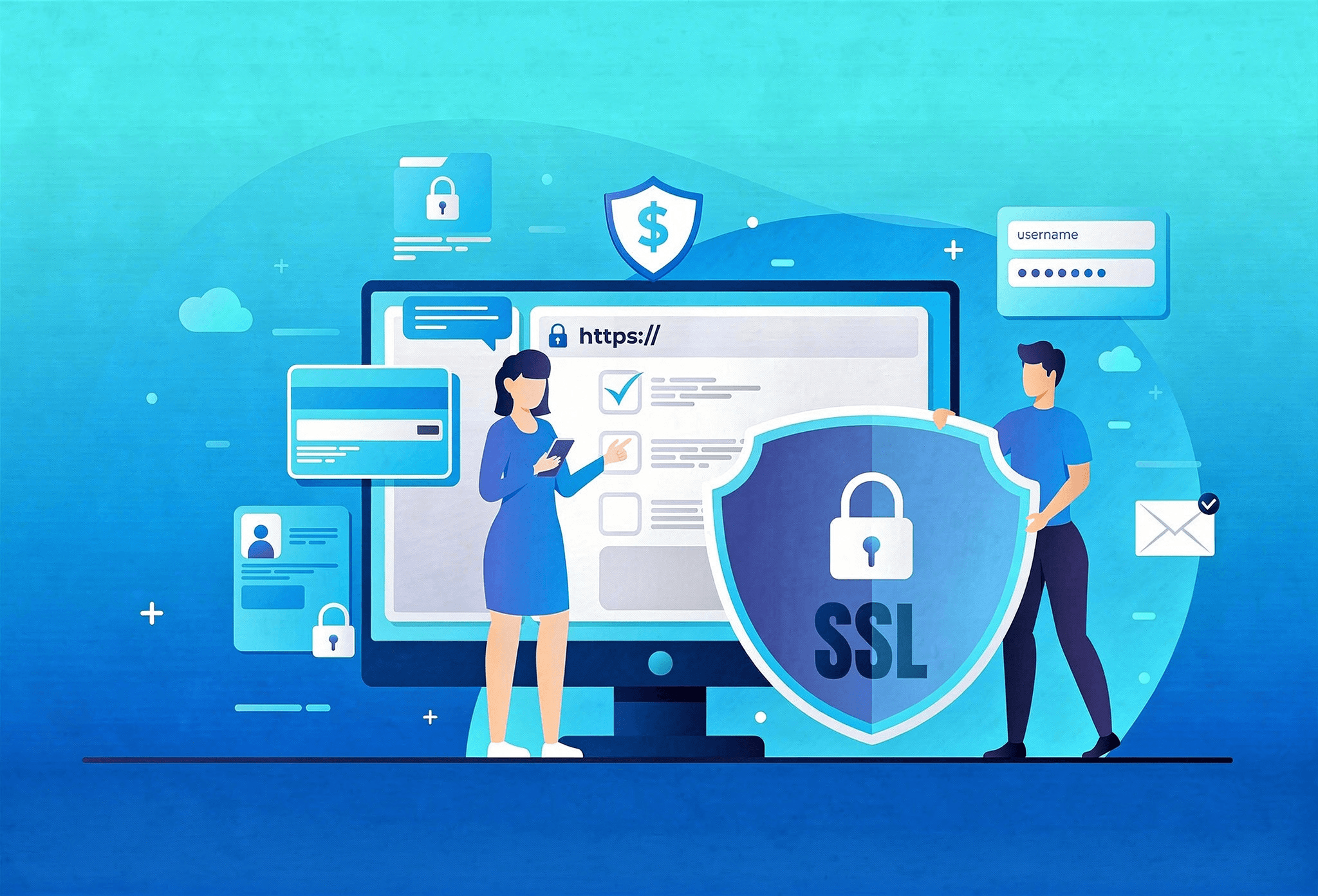

Entity management handles some of a company’s most sensitive data. Protecting it isn’t optional — it’s fundamental to governance and trust.
For teams handling governance, compliance, and corporate secretarial work in Hong Kong, few responsibilities are as sensitive as managing entity information. Director details, personal data, shareholding structures, meeting documents, and identification records are handled daily — and increasingly through digital tools.
This shift brings efficiency, but it also raises an important question:
How do we ensure data stays private, secure, and handled responsibly?
Data privacy in SaaS isn’t just a technical feature.
It is part of governance, risk management, and the trust that clients place in your work.
Below, we break down why data privacy matters so much in entity management and how platforms like Smoooth think about it.
Why Data Privacy Is So Critical in Entity Management
The information handled by company secretarial firms and in-house teams is unique:
identification documents
residential addresses
company registers
director appointments
share transfers
ownership structures
resolutions and approvals
These are not just “business records.”
They are personal and corporate data with legal, financial, and reputational consequences if mismanaged.
That’s why privacy matters on three levels:
1. Trust and Professional Responsibility
Clients assume their information is handled with care.
Any breach — even small — can:
damage client relationships
expose individuals to personal risk
weaken confidence in your governance process
For company secretaries, privacy is not only compliance; it reflects professional integrity.
2. Compliance With Local Regulations
Hong Kong’s PDPO and global standards like GDPR shape how data should be handled, but more importantly:
Teams need clarity — not complexity.
A good SaaS tool should support responsible practices by design, such as:
secure data handling
clear access controls
transparent data practices
predictable retention and deletion workflows
Privacy shouldn’t depend on the user’s technical knowledge.
It should be built in.
3. Reducing Operational and Governance Risks
Poorly protected data leads to:
unauthorized access
outdated records
scattered versions across email/WhatsApp
exposure of sensitive personal information
For governance teams, these risks quickly become liabilities.
Good data privacy = good governance.
What Good SaaS Data Privacy Looks Like
Different SaaS products take different approaches, but at a minimum, teams should expect:
Encryption and Secure Storage
Not as a buzzword — but as a baseline.
Data should be protected in transit and at rest, ensuring sensitive records cannot be read even if intercepted.
Clear and Transparent Data Practices
Users should know:
what data is collected
why it’s collected
how it’s stored
who can access it
Privacy should never feel hidden or ambiguous.
Responsible Access Controls
A tool should let teams determine who can see:
entity profiles
documents
registers
personal data
Not through complicated permission matrices, but intuitive roles that reflect real workflows.
No Unnecessary Data Processing
A SaaS platform should only collect what is necessary — not more.
For entity management, that means:
no scraping
no unnecessary tracking
no storing data unrelated to governance work
Less data processed → lower risk.
How Smoooth Approaches Data Privacy
Smoooth supports company secretaries, in-house governance teams, and SMEs in managing sensitive entity information every day.
Our priority is simple:
Keep data protected, accessible only to the right people, and handled with transparency.
Our approach includes:
Encryption as a Standard
All customer data — including personal and corporate records — is encrypted in transit and at rest.
This ensures information cannot be read even if intercepted.
Clear, Simple, Transparent Privacy Practices
Our privacy notice tells users:
what data is stored
the purpose behind each data type
how it is protected
how to request deletion or support
Simplicity is intentional — privacy shouldn’t be difficult to understand.
Role-Based Access Designed for Real Governance Work
Smoooth uses two practical roles:
CS/Admin role — handles work and updates
Stakeholder role — directors/shareholders access their own entity information, approve or sign documents, and see only what they should see
No complex permission layers.
Just enough control to protect privacy without slowing work.
Responsible Data Handling
Smoooth does not process data beyond what is necessary for entity management.
No using your data for unrelated purposes
No selling data
No unnecessary background processing
We design features based on privacy-first workflows.
The Road Ahead: Privacy as Part of Governance
Data privacy in SaaS will continue to evolve, especially as technologies like AI introduce new considerations.
For governance teams, one principle will remain constant:
You cannot run strong governance on weak data foundations.
Platforms must support:
responsible data handling
clear visibility
controlled access
transparent practices
And teams must choose tools that reflect these values.
Conclusion
Entity management involves some of the most sensitive data in the organization.
Protecting it is not just a regulatory requirement — it is central to trust, credibility, and governance.
Data privacy is not a feature.
It is a responsibility that SaaS platforms must uphold, and Smoooth is committed to designing with that in mind.
How Smoooth Supports Governance Through Data Security
Strong governance starts with protecting the information that supports it. Smoooth provides a secure, structured workspace for entity data, documents, and collaboration — built with privacy and clarity at its core. If you want a simpler and safer way to manage corporate records, learn more about Smoooth or create a free account to explore the platform.
For teams handling governance, compliance, and corporate secretarial work in Hong Kong, few responsibilities are as sensitive as managing entity information. Director details, personal data, shareholding structures, meeting documents, and identification records are handled daily — and increasingly through digital tools.
This shift brings efficiency, but it also raises an important question:
How do we ensure data stays private, secure, and handled responsibly?
Data privacy in SaaS isn’t just a technical feature.
It is part of governance, risk management, and the trust that clients place in your work.
Below, we break down why data privacy matters so much in entity management and how platforms like Smoooth think about it.
Why Data Privacy Is So Critical in Entity Management
The information handled by company secretarial firms and in-house teams is unique:
identification documents
residential addresses
company registers
director appointments
share transfers
ownership structures
resolutions and approvals
These are not just “business records.”
They are personal and corporate data with legal, financial, and reputational consequences if mismanaged.
That’s why privacy matters on three levels:
1. Trust and Professional Responsibility
Clients assume their information is handled with care.
Any breach — even small — can:
damage client relationships
expose individuals to personal risk
weaken confidence in your governance process
For company secretaries, privacy is not only compliance; it reflects professional integrity.
2. Compliance With Local Regulations
Hong Kong’s PDPO and global standards like GDPR shape how data should be handled, but more importantly:
Teams need clarity — not complexity.
A good SaaS tool should support responsible practices by design, such as:
secure data handling
clear access controls
transparent data practices
predictable retention and deletion workflows
Privacy shouldn’t depend on the user’s technical knowledge.
It should be built in.
3. Reducing Operational and Governance Risks
Poorly protected data leads to:
unauthorized access
outdated records
scattered versions across email/WhatsApp
exposure of sensitive personal information
For governance teams, these risks quickly become liabilities.
Good data privacy = good governance.
What Good SaaS Data Privacy Looks Like
Different SaaS products take different approaches, but at a minimum, teams should expect:
Encryption and Secure Storage
Not as a buzzword — but as a baseline.
Data should be protected in transit and at rest, ensuring sensitive records cannot be read even if intercepted.
Clear and Transparent Data Practices
Users should know:
what data is collected
why it’s collected
how it’s stored
who can access it
Privacy should never feel hidden or ambiguous.
Responsible Access Controls
A tool should let teams determine who can see:
entity profiles
documents
registers
personal data
Not through complicated permission matrices, but intuitive roles that reflect real workflows.
No Unnecessary Data Processing
A SaaS platform should only collect what is necessary — not more.
For entity management, that means:
no scraping
no unnecessary tracking
no storing data unrelated to governance work
Less data processed → lower risk.
How Smoooth Approaches Data Privacy
Smoooth supports company secretaries, in-house governance teams, and SMEs in managing sensitive entity information every day.
Our priority is simple:
Keep data protected, accessible only to the right people, and handled with transparency.
Our approach includes:
Encryption as a Standard
All customer data — including personal and corporate records — is encrypted in transit and at rest.
This ensures information cannot be read even if intercepted.
Clear, Simple, Transparent Privacy Practices
Our privacy notice tells users:
what data is stored
the purpose behind each data type
how it is protected
how to request deletion or support
Simplicity is intentional — privacy shouldn’t be difficult to understand.
Role-Based Access Designed for Real Governance Work
Smoooth uses two practical roles:
CS/Admin role — handles work and updates
Stakeholder role — directors/shareholders access their own entity information, approve or sign documents, and see only what they should see
No complex permission layers.
Just enough control to protect privacy without slowing work.
Responsible Data Handling
Smoooth does not process data beyond what is necessary for entity management.
No using your data for unrelated purposes
No selling data
No unnecessary background processing
We design features based on privacy-first workflows.
The Road Ahead: Privacy as Part of Governance
Data privacy in SaaS will continue to evolve, especially as technologies like AI introduce new considerations.
For governance teams, one principle will remain constant:
You cannot run strong governance on weak data foundations.
Platforms must support:
responsible data handling
clear visibility
controlled access
transparent practices
And teams must choose tools that reflect these values.
Conclusion
Entity management involves some of the most sensitive data in the organization.
Protecting it is not just a regulatory requirement — it is central to trust, credibility, and governance.
Data privacy is not a feature.
It is a responsibility that SaaS platforms must uphold, and Smoooth is committed to designing with that in mind.
How Smoooth Supports Governance Through Data Security
Strong governance starts with protecting the information that supports it. Smoooth provides a secure, structured workspace for entity data, documents, and collaboration — built with privacy and clarity at its core. If you want a simpler and safer way to manage corporate records, learn more about Smoooth or create a free account to explore the platform.
For teams handling governance, compliance, and corporate secretarial work in Hong Kong, few responsibilities are as sensitive as managing entity information. Director details, personal data, shareholding structures, meeting documents, and identification records are handled daily — and increasingly through digital tools.
This shift brings efficiency, but it also raises an important question:
How do we ensure data stays private, secure, and handled responsibly?
Data privacy in SaaS isn’t just a technical feature.
It is part of governance, risk management, and the trust that clients place in your work.
Below, we break down why data privacy matters so much in entity management and how platforms like Smoooth think about it.
Why Data Privacy Is So Critical in Entity Management
The information handled by company secretarial firms and in-house teams is unique:
identification documents
residential addresses
company registers
director appointments
share transfers
ownership structures
resolutions and approvals
These are not just “business records.”
They are personal and corporate data with legal, financial, and reputational consequences if mismanaged.
That’s why privacy matters on three levels:
1. Trust and Professional Responsibility
Clients assume their information is handled with care.
Any breach — even small — can:
damage client relationships
expose individuals to personal risk
weaken confidence in your governance process
For company secretaries, privacy is not only compliance; it reflects professional integrity.
2. Compliance With Local Regulations
Hong Kong’s PDPO and global standards like GDPR shape how data should be handled, but more importantly:
Teams need clarity — not complexity.
A good SaaS tool should support responsible practices by design, such as:
secure data handling
clear access controls
transparent data practices
predictable retention and deletion workflows
Privacy shouldn’t depend on the user’s technical knowledge.
It should be built in.
3. Reducing Operational and Governance Risks
Poorly protected data leads to:
unauthorized access
outdated records
scattered versions across email/WhatsApp
exposure of sensitive personal information
For governance teams, these risks quickly become liabilities.
Good data privacy = good governance.
What Good SaaS Data Privacy Looks Like
Different SaaS products take different approaches, but at a minimum, teams should expect:
Encryption and Secure Storage
Not as a buzzword — but as a baseline.
Data should be protected in transit and at rest, ensuring sensitive records cannot be read even if intercepted.
Clear and Transparent Data Practices
Users should know:
what data is collected
why it’s collected
how it’s stored
who can access it
Privacy should never feel hidden or ambiguous.
Responsible Access Controls
A tool should let teams determine who can see:
entity profiles
documents
registers
personal data
Not through complicated permission matrices, but intuitive roles that reflect real workflows.
No Unnecessary Data Processing
A SaaS platform should only collect what is necessary — not more.
For entity management, that means:
no scraping
no unnecessary tracking
no storing data unrelated to governance work
Less data processed → lower risk.
How Smoooth Approaches Data Privacy
Smoooth supports company secretaries, in-house governance teams, and SMEs in managing sensitive entity information every day.
Our priority is simple:
Keep data protected, accessible only to the right people, and handled with transparency.
Our approach includes:
Encryption as a Standard
All customer data — including personal and corporate records — is encrypted in transit and at rest.
This ensures information cannot be read even if intercepted.
Clear, Simple, Transparent Privacy Practices
Our privacy notice tells users:
what data is stored
the purpose behind each data type
how it is protected
how to request deletion or support
Simplicity is intentional — privacy shouldn’t be difficult to understand.
Role-Based Access Designed for Real Governance Work
Smoooth uses two practical roles:
CS/Admin role — handles work and updates
Stakeholder role — directors/shareholders access their own entity information, approve or sign documents, and see only what they should see
No complex permission layers.
Just enough control to protect privacy without slowing work.
Responsible Data Handling
Smoooth does not process data beyond what is necessary for entity management.
No using your data for unrelated purposes
No selling data
No unnecessary background processing
We design features based on privacy-first workflows.
The Road Ahead: Privacy as Part of Governance
Data privacy in SaaS will continue to evolve, especially as technologies like AI introduce new considerations.
For governance teams, one principle will remain constant:
You cannot run strong governance on weak data foundations.
Platforms must support:
responsible data handling
clear visibility
controlled access
transparent practices
And teams must choose tools that reflect these values.
Conclusion
Entity management involves some of the most sensitive data in the organization.
Protecting it is not just a regulatory requirement — it is central to trust, credibility, and governance.
Data privacy is not a feature.
It is a responsibility that SaaS platforms must uphold, and Smoooth is committed to designing with that in mind.
How Smoooth Supports Governance Through Data Security
Strong governance starts with protecting the information that supports it. Smoooth provides a secure, structured workspace for entity data, documents, and collaboration — built with privacy and clarity at its core. If you want a simpler and safer way to manage corporate records, learn more about Smoooth or create a free account to explore the platform.
For teams handling governance, compliance, and corporate secretarial work in Hong Kong, few responsibilities are as sensitive as managing entity information. Director details, personal data, shareholding structures, meeting documents, and identification records are handled daily — and increasingly through digital tools.
This shift brings efficiency, but it also raises an important question:
How do we ensure data stays private, secure, and handled responsibly?
Data privacy in SaaS isn’t just a technical feature.
It is part of governance, risk management, and the trust that clients place in your work.
Below, we break down why data privacy matters so much in entity management and how platforms like Smoooth think about it.
Why Data Privacy Is So Critical in Entity Management
The information handled by company secretarial firms and in-house teams is unique:
identification documents
residential addresses
company registers
director appointments
share transfers
ownership structures
resolutions and approvals
These are not just “business records.”
They are personal and corporate data with legal, financial, and reputational consequences if mismanaged.
That’s why privacy matters on three levels:
1. Trust and Professional Responsibility
Clients assume their information is handled with care.
Any breach — even small — can:
damage client relationships
expose individuals to personal risk
weaken confidence in your governance process
For company secretaries, privacy is not only compliance; it reflects professional integrity.
2. Compliance With Local Regulations
Hong Kong’s PDPO and global standards like GDPR shape how data should be handled, but more importantly:
Teams need clarity — not complexity.
A good SaaS tool should support responsible practices by design, such as:
secure data handling
clear access controls
transparent data practices
predictable retention and deletion workflows
Privacy shouldn’t depend on the user’s technical knowledge.
It should be built in.
3. Reducing Operational and Governance Risks
Poorly protected data leads to:
unauthorized access
outdated records
scattered versions across email/WhatsApp
exposure of sensitive personal information
For governance teams, these risks quickly become liabilities.
Good data privacy = good governance.
What Good SaaS Data Privacy Looks Like
Different SaaS products take different approaches, but at a minimum, teams should expect:
Encryption and Secure Storage
Not as a buzzword — but as a baseline.
Data should be protected in transit and at rest, ensuring sensitive records cannot be read even if intercepted.
Clear and Transparent Data Practices
Users should know:
what data is collected
why it’s collected
how it’s stored
who can access it
Privacy should never feel hidden or ambiguous.
Responsible Access Controls
A tool should let teams determine who can see:
entity profiles
documents
registers
personal data
Not through complicated permission matrices, but intuitive roles that reflect real workflows.
No Unnecessary Data Processing
A SaaS platform should only collect what is necessary — not more.
For entity management, that means:
no scraping
no unnecessary tracking
no storing data unrelated to governance work
Less data processed → lower risk.
How Smoooth Approaches Data Privacy
Smoooth supports company secretaries, in-house governance teams, and SMEs in managing sensitive entity information every day.
Our priority is simple:
Keep data protected, accessible only to the right people, and handled with transparency.
Our approach includes:
Encryption as a Standard
All customer data — including personal and corporate records — is encrypted in transit and at rest.
This ensures information cannot be read even if intercepted.
Clear, Simple, Transparent Privacy Practices
Our privacy notice tells users:
what data is stored
the purpose behind each data type
how it is protected
how to request deletion or support
Simplicity is intentional — privacy shouldn’t be difficult to understand.
Role-Based Access Designed for Real Governance Work
Smoooth uses two practical roles:
CS/Admin role — handles work and updates
Stakeholder role — directors/shareholders access their own entity information, approve or sign documents, and see only what they should see
No complex permission layers.
Just enough control to protect privacy without slowing work.
Responsible Data Handling
Smoooth does not process data beyond what is necessary for entity management.
No using your data for unrelated purposes
No selling data
No unnecessary background processing
We design features based on privacy-first workflows.
The Road Ahead: Privacy as Part of Governance
Data privacy in SaaS will continue to evolve, especially as technologies like AI introduce new considerations.
For governance teams, one principle will remain constant:
You cannot run strong governance on weak data foundations.
Platforms must support:
responsible data handling
clear visibility
controlled access
transparent practices
And teams must choose tools that reflect these values.
Conclusion
Entity management involves some of the most sensitive data in the organization.
Protecting it is not just a regulatory requirement — it is central to trust, credibility, and governance.
Data privacy is not a feature.
It is a responsibility that SaaS platforms must uphold, and Smoooth is committed to designing with that in mind.
How Smoooth Supports Governance Through Data Security
Strong governance starts with protecting the information that supports it. Smoooth provides a secure, structured workspace for entity data, documents, and collaboration — built with privacy and clarity at its core. If you want a simpler and safer way to manage corporate records, learn more about Smoooth or create a free account to explore the platform.